The Miami Hall of Science
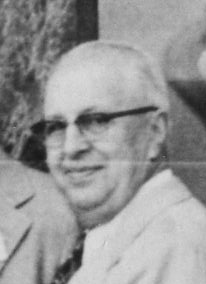 The Miami Hall of Science originated as the result of efforts by Leroy F. Jahn, a Miami businessman, to find a way to dramatically display the products he sold in his magic, hobby, and sporting goods store in Miami. Leroy Jahn was originally from Cincinati, Ohio and appears to have come to Florida in the 1920's, at first for just the winter seasons. Exactly when he became a permanent Florida resident is unclear. A news clipping from the Miami News dated December 21st, 1928 reveals that he ran a restaurant called the Kentucky Coffee Shop. (His father was from Kentucky) It also noted that he was a special inspector with the Miami Police department in the early 1940's but resigned in 1941. He opened his magic, hobby and sporting goods store in 1942. Around the end of 1943, he visited the New York Hall of Science and was greatly impressed with the dramatic presentation of the products displayed in Gilbert's new Hall of Science. Jahn and Gilbert had been friends for many years as Jahn had been one of Gilbert's first salesmen. It was no doubt a perfect fit through their shared interest in magic. After seeing the New York Hall of Science and meeting with Gilbert, Jahn decided that he would like to create a similar Hall of Science in Miami. Gilbert had long seen the potential for this linking of retailer with manufacturer and helped Jahn accomplish his goal. In 1945, the Miami Hall of Science opened at 300 East Flagler Street. 2 The meeting with Jahn in 1943 and his subsequent creation of the Miami Hall of Science was probably the first major implementation of Gilbert's long expressed desire to create Halls of Science in retail stores. Even in Gilbert's pre Flyer days, he referred to the "Halls of Science" at local s early as y have been the catalyst that set Gilbert on a policy of encouraging all his wholesale customers to open a "Hall of Science" at "your local toy store." Jahn's opening of a Hall of Science in his Miami store was probably the most major implementation of that plan and could have stimulated Gilbert to publish a guide book for doing just that in 1948. (Click here to view that guide book) It provided several items of display furniture to use to create a uniform Gilbert look for the display of Gilbert products, very much in the Streamline Moderne style that characterized the New York Hall of Science. The history of the 300 E. Flagler location is interesting. Based on advertising in the Miami newspapers, Jahn the Magic Man occupied the store between at least 1945 and 1955, when Jahn placed want ads in the Miami Daily News offering his store fixtures for sale because he was moving his store. I wondered why he would be selling them instead of keeping them for a new store. Possible explanations might be that the new store came furnished with fixtures or possibly he hadn't secured a new store yet. Those fixtures might well have included some of the Streamline Moderne display pieces described by Gilbert in the 1948 Guide to building a Hall of Science, cited above.
|
|
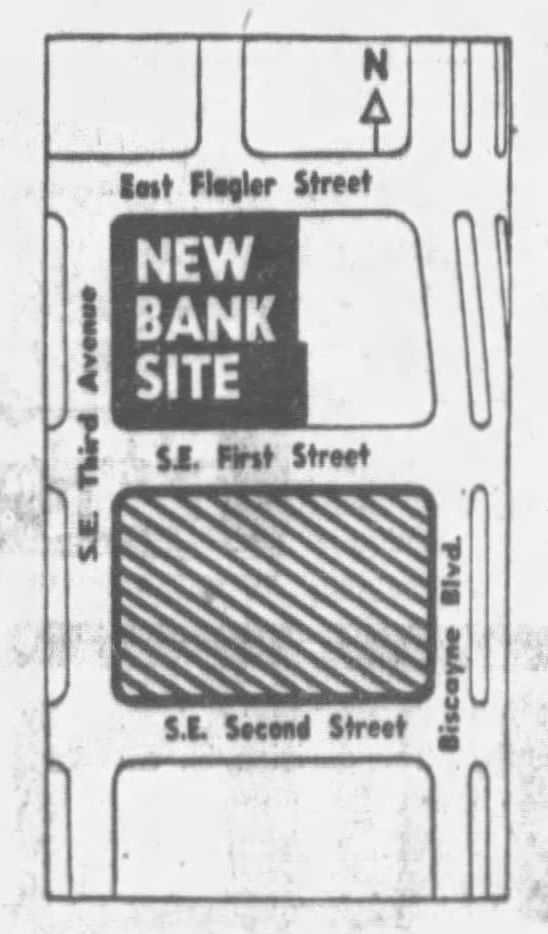
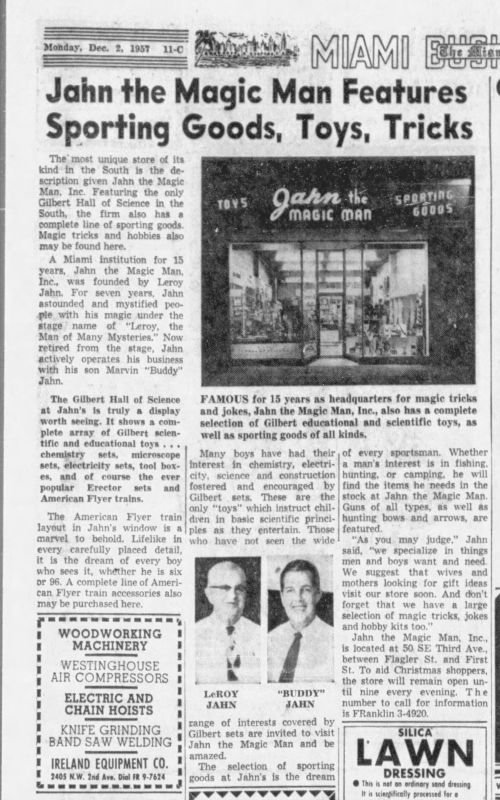
Newspaper advertising reflects that by 1957 and 1958 "Jahn the Magic Man" was operating from 50 S.E. Third Ave., between E. Flagler St. and First Street. The second location was around the corner and across the street from the original location. In both 1957 and 1958, the Miami Herald ran feature articles on Jahn's store. They both had a photo of the front of the S.E. Third Avenue store. The one linked at the clipping to the left even featured photos of Jahn and his son Marvin (Buddy) Jahn. You can click on either of these images for a larger image of the ad or a readable pdf of the article. The article is remarkable in that it provides what I believe may be the only photograph of the Miami Hall of Science available today. |
 I
I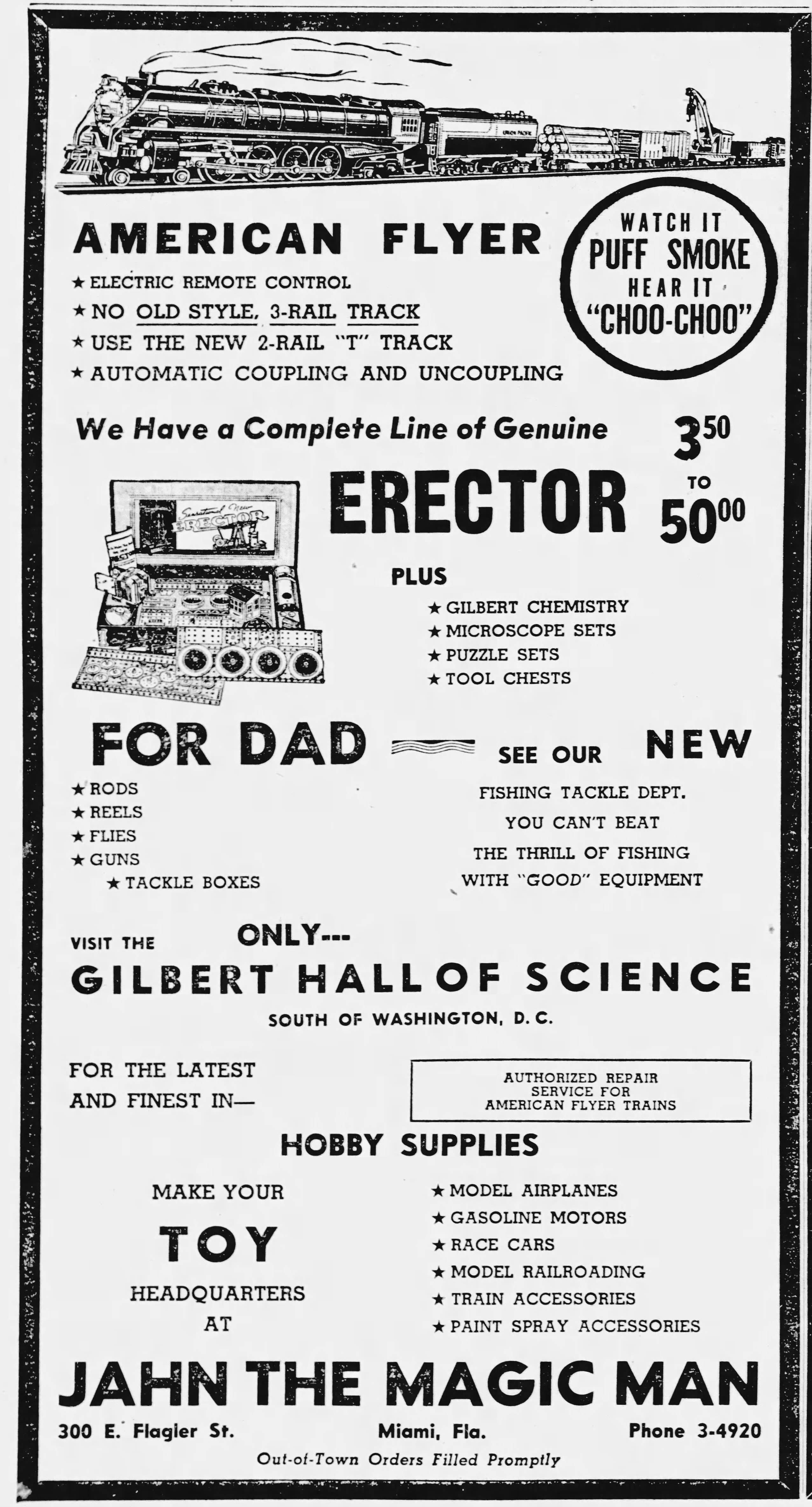
In the early 1950's, A.C. sent layout builder Frank Castiglione to build a display layout there, but it was an ordinary display layout.
|
|
Notes
1 The Marvelous American Flyer Display Layouts, by Roger Carp - Classic Toy Trains, August 1992, page 57.
2 Famous American Flyer Trains, by Paul C. Nelson, Heimburger House Publishing, Forest Park, IL, pages 184-186